
Pneumatic Control Panel – Precision Aircraft & Defence Solutions by Jetsys Defence
The Jetsys Defence Pneumatic Control Panel is engineered for mission-critical control of actuators, valves, and sequencing logic on aircraft and defence test systems. As a specialist Pneumatic Control Panel manufacturer, we combine aerospace-grade components with robust Pneumatic Control Panel design practices to deliver accuracy, uptime, and easy service on the flight line and in the hangar.
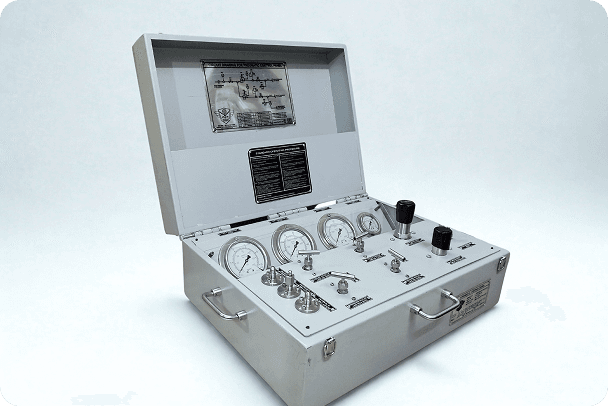
Product Overview
The Jetsys Defence Pneumatic Control Panel is engineered for mission-critical control of actuators, valves, and sequencing logic on aircraft and defence test systems. As a specialist Pneumatic Control Panel manufacturer, it combines aerospace-grade components with robust design practices to deliver accuracy, uptime, and easy service on the flight line and in the hangar.
Key Features of Pneumatic Control Panel
Aerospace-Grade Architecture
Precision regulators, high-cycle spool valves, and low-leak fittings ensure stable pressures and consistent actuation timing.Smart, Serviceable Layout
Labeled bulkhead fittings, color-coded tubing, and front-access gauges reduce maintenance time and minimize human error.Clean, Dry Air Assurance
Multi-stage filtration with water trap and optional desiccant dryer protects seals, actuators, and high-precision pneumatic systems.
Controls Your Way
Manual, electro-pneumatic, or PLC-based logic with analog transducers for pressure/flow feedback, alarms, and interlocks.Ruggedized for Defence Use
Shock-resistant mounting, corrosion-protected hardware, and wide-temperature operation suitable for ramp and depot environments.
Technical Specifications of Pneumatic Control Panel
Representative values. Jetsys Defence custom-configures each Pneumatic Control Panel to your aircraft platform, duty cycle, and environment.
| Parameter | Specification |
|---|---|
| Supply Pressure | 4–10 bar (58–145 psi) standard; up to 16 bar (232 psi) options |
| Filtration | 5 μm particulate + coalescing stage; optional desiccant dryer – Pneumatic Filtration Panel |
| Regulation Accuracy | ±0.1 bar (±1.5 psi) fine regulators; precision relief valves |
| Flow Capacity | Cv 0.3–3.0 per valve (manifold-dependent) |
| Valve Types | 2/2, 3/2, 5/2, 5/3 solenoid & manual; soft-start, dump, check, shuttle – Pneumatic Valve Control Panel |
| Tubing / Fittings | Stainless steel 316L or nylon/poly tubing; push-fit or compression |
| Gauges & Sensors | Panel gauges, 4–20 mA / 0–10 V transducers; differential pressure sensors |
| Electrical Interface | 24 VDC I/O, relay outputs; PLC/IPC ready; E-stop & interlock loops – PLC-Based Pneumatic Control Panel |
| HMI Options | Membrane panel or touchscreen with set-points, trends, and alarms |
| Enclosure | Powder-coated steel or SS304/SS316, wall/floor/skid mount |
| Ingress Protection | IP54 standard; IP55 / IP65 available |
| Operating Temperature | −20 °C to +55 °C (extended ranges on request) |
| Noise Control | Integrated silencers and baffled exhaust manifold |
| Identification | Laser-etched tags, schematic placard, hose and port IDs |
| Docs & Test | P&ID, wiring diagram, FAT report, leak & functional test, CoC |
Variants of Pneumatic Control Panel
Aircraft GSE Pneumatic Panel
Sequenced extension and retraction for jacks, clamps, and fixtures with guarded controls and interlocks for maximum safety.Environmental & Cabin Systems Panel
Regulated, feedback-driven delivery for valves, dampers, test benches, and aerospace environmental systems.
High-Integrity Manifold Panel
Compact manifold blocks with integrated regulators, proportional valves, and diagnostics for fast, precise actuation.
Benefits of Pneumatic Control Panel
Repeatable Actuation
Stable pressure and precise sequencing improve test fidelity and on-aircraft servicing.Lower Downtime
Service-friendly design with clear labelling, color-coded tubes, and front-access components.
Scalable Control
From manual toggle logic to PLC-based proportional control and data logging.Lifecycle Value
Rugged components and clean-air architecture extend seal life and reduce leaks over time.
Design & Manufacturing Approach
Our Pneumatic Control Panel Design Process
Requirements capture → P&ID & layout → component selection → assembly → FAT (leak, function, safety) → documentation package.As Your Pneumatic Control Panel Manufacturer
Controlled build with serialized components and full traceability.
Quality Assurance
100% leak and functional verification with documented test records and traceable materials.
Typical Options for Pneumatic Control Panels
Proportional Regulators
Closed-loop pressure/flow control with fine resolution.Redundant Supply
Auto changeover between dual air sources for uninterrupted operation.
Pressure Hold / Bleed-Down Circuits
Controlled depressurization and soft-start modules for safety.Remote Monitoring
Pressure trends, cycle counts, and alarm history via telemetry.Rugged Enclosures
Stainless housings and MIL-tone finishes for harsh defence duty.
Why Choose Jetsys Defence for Pneumatic Control Panels
Aircraft-Grade Precision & Safety
Built for accurate, stable pressure regulation to prevent over-pressurization and ensure safe servicing of landing gear, brakes, shock struts, and hydraulic systems.Rugged, Flight-Line Ready Construction
Heavy-duty frames, corrosion-protected valves, vibration-proof gauges, and industrial-grade pipe fittings ensure reliable operation in extreme heat, cold, dust, and high humidity.Leakage-Free, High-Integrity Pneumatics
PTFE-sealed fittings, reinforced hoses, safety relief valves, and non-return circuits maintain stable airflow with zero pressure loss during servicing.
Modular & Custom-Engineered
Panels can be configured for number of outlets, pressure ranges, filtration, moisture control, quick-couplers, and safety locks for any aircraft fleet.Easy Service & Fast Turnaround
Accessible layout, standard aviation fittings, and readily available spares allow quick repair to minimize flight-line downtime.Proven on Civil & Military Platforms
Used for tyre inflation, pneumatic tool control, nitrogen service lines, and other GSE operations on fixed-wing and rotary aircraft – Defence Pneumatic Control Panel.
Variants and Related Equipment
The pages below cover the individual configurations and applications in this range.
- Aircraft Pneumatic Control Panel with Integrated Military Ground Power Unit
- Defence Pneumatic Control Panel
- Electro Pneumatic Control Panel
- PLC Based Pneumatic Control Panel
- Pneumatic Automation Control Panel
- Pneumatic Filtration Panel
- Pneumatic Pressure Control Panel
- Pneumatic Test Control Panel
- Pneumatic Valve Control Panel
- Ground Supply Equipment range
Powered by Dynsimulation Technologies pvt ltd
© Jetsys Defence